
Best Landscaping Services in St. Louis, MO
St. Louis Landscaping
At Done Right Landscapes℠, we’re so invested in the beautification of St. Louis Landscaping, MO, that we have not only one landscape & patio design expert on hand, but several! That way, we can always assure you the highest level of service that you’ll find in the landscaping field anywhere in St. Louis, St. Charles and Chesterfield. If you’re looking for qualified and professional Done Right℠ landscape and design services, you’ve come to the right place. For truly outstanding landscaping work that you can trust, call our team today. 636-243-4511 Initial Assessment!
Our passion for the beautification of St. Louis Landscaping, MO, goes beyond a simple commitment. We’re deeply invested in transforming outdoor spaces into stunning landscapes that blend both form and function. Our dedication is evident in our team of not just one, but several landscape and patio design experts who are always ready to serve you. With this array of expertise, we can guarantee you the highest level of service available in the landscaping field throughout St. Louis, St. Charles, and Chesterfield.
The Trusted Name in St. Louis Landscaping
If you’re searching for qualified and professional St. Louis Landscaping and design services, your search ends here. At Done Right Landscapes℠, we are your trusted partners for transforming your outdoor space into a breathtaking oasis. Our services are designed to enhance the aesthetics, functionality, and value of your property, ensuring that your landscape is a true reflection of your vision.
For truly outstanding St. Louis Landscaping work that you can trust, Done Right Landscapes℠ is the name to remember. To begin your journey toward a beautifully landscaped property, contact our team today at 636-243-4511. We offer an initial assessment to help you explore the possibilities and set the stage for a transformative landscaping project.
Don’t miss the opportunity to enhance your outdoor space with St. Louis Landscaping services from Done Right Landscapes℠. We’re dedicated to elevating your property’s aesthetics and ensuring it’s Done Right.
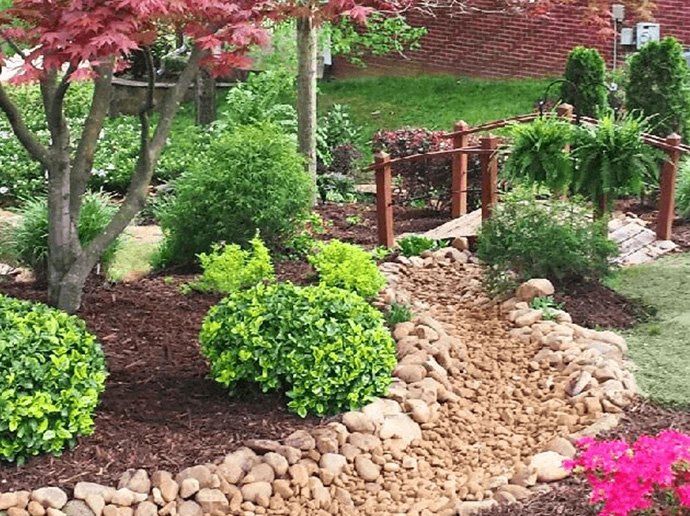
St. Louis Landscaping: Design Assessment
During the initial assessment, our landscape designer will share his or her ideas with you, discuss their vision, and seek your input on any and all elements of their preliminary design work. After all, it’s your property, and we’ll always seek your input and ideas. Because after all, you know your space better than anyone! And our goal is to make everyone in Saint Louis℠ stand up and take notice of it!
We have the knowledge of the right plants to use in this Missouri climate. If you need help or want us to formulate the perfect design for your property, just let us know. The Done Right Landscaping℠ crew is always here to help you or guide you in the right direction.
A Plan of Action
When you contract a landscape or patio design professional from Done Right Landscapes℠ in Saint Louis, you can rely on the very best. After you call for a complimentary consultation at your home, we’ll come to your property to make an on-site assessment. We’ll explore our initial ideas with you and show you how exciting your landscape and patio can be! At this point in the process, we will brain storm with us to determine the proper landscaping, plants to use and materials for your area.
Making It Happen
Once our landscape or patio designer have done the initial groundwork, and completed all consultations with you, they’ll begin the process of transforming your Saint Louis℠ property into a whole new space. One that, perhaps, was there all along, but maybe needed some coaxing to bring out of nature! But rest assured that when our team is finished, your landscaping will be an outstanding addition to your property, whether residential or commercial!
When is the best time of year to start landscaping in St. Louis?
Direct Answer
Standing water in your yard is a problem because it can damage your home’s foundation, kill grass and plants, and create long-term soil instability. In the St. Louis and St. Charles area, repeated pooling after rain often signals that water is not draining away from the home as it should.
Why This Happens
Missouri’s clay-heavy soils absorb water slowly and stay saturated longer than sandy soils. When combined with flat or poorly directed grading, water settles in low areas instead of moving toward the street or approved drainage paths. Frequent heavy rain events in this region make the problem worse over time.
Signs This Is a Problem
• Water pooling that remains for more than a day after rainfall
• Grass thinning or bare patches in low areas
• Soft, unstable ground that sinks under foot traffic
• Water staining or dampness along foundation walls
• Increased mosquito activity near puddled areas
Typical Solutions
• Regrading to restore proper water flow away from the home
• Surface drainage features like swales or dry creek beds
• Subsurface drainage systems to relieve saturated soil
• Redirecting downspouts and runoff sources
Experience Insight
In many St. Louis–area neighborhoods, standing water starts as a minor inconvenience but gradually leads to foundation concerns or landscape failure. Homes built on relatively flat lots or near natural drainage paths tend to show these issues first, especially after seasons with above-average rainfall.
What landscaping works best in clay soil?
Landscaping That Works Best in Clay Soil (St. Louis Area)
Trees
• Red maple
• River birch (handles wet clay very well)
• Serviceberry
• Honey locust
• Crabapple
Shrubs
• Ninebark
• Viburnum (arrowwood, cranberry)
• Red-twig dogwood
• Boxwood (needs decent drainage)
Perennials
• Black-eyed Susan
• Coneflower (echinacea)
• Daylilies
• Hostas (shade areas)
• Bee balm
• Sedum
Ornamental Grasses
• Switchgrass
• Little bluestem
• Feather reed grass
Lawns for Clay Soil
• Tall fescue – best cool-season option in St. Louis
• Zoysia – very clay-tolerant for sunny areas
⸻
Hardscaping & Design Tips
• Raised planting beds help roots avoid compacted soil
• Retaining walls should include gravel and drainage pipe
• Stone or rock mulch works better than bark in heavy clay
⸻
Clay Soil Best Practices
• Amend with compost or organic matter (not sand)
• Avoid working clay when wet—it compacts easily
• Plant slightly above grade for better drainage
• Mulch to reduce cracking and moisture swings
What are the best low-maintenance landscaping options in Missouri?
Low-Maintenance Plants
Trees (Plant Once, Enjoy for Years)
• Red Maple – adaptable, attractive fall color
• River Birch – thrives in clay, drought tolerant once established
• Crabapple – disease-resistant varieties offer flowers and fruit interest
• Honeylocust – airy canopy with minimal litter
⸻
Shrubs (Great Structure With Little Care)
• Ninebark – tough, attractive bark and blooms
• Viburnum (Arrowwood/Cranberry) – multi-season interest
• Boxwood – evergreen structure (best with good drainage)
• Forsythia – early spring color with little pruning
• Spirea – long season of flowers, drought tolerant
⸻
Perennials (Come Back Every Year)
• Coneflower (Echinacea) – drought tolerant, pollinator-friendly
• Black-eyed Susan – long bloom, deer tolerant
• Daylilies – adaptable and nearly care-free
• Hostas – ideal for shade
• Sedum (Autumn Joy) – colorful and drought resistant
• Catmint – long bloom, deer resistant
⸻
Ornamental Grasses
• Switchgrass – sturdy and low care
• Little Bluestem – native, colorful in fall
• Feather Reed Grass – upright form with seasonal interest
⸻
🌱 Groundcovers & Lawn Alternatives
• Clover Lawn – low mowing and drought tolerant
• Creeping Thyme – good between pavers or in sunny areas
• Ajuga (Bugleweed) – shade groundcover
For traditional lawns, choose tall fescue (cool-season grass) or zoysia (warm-season grass) for better performance in clay soils with lower overall maintenance.
⸻
🧱 Hardscaping & Design Strategies
These features cut down on regular yard work:
• Mulched planting beds — reduces weeds and conserves moisture
• Stone, gravel, or mulch paths — no mowing edges
• Raised beds — better soil control and less watering
• Native plant groupings — adapted to climate and pests
• Xeriscaping zones — drought-tolerant plants with minimal irrigation
⸻
💡 Tips for Easy Care
• Group plants by water needs to simplify irrigation
• Add compost at planting to improve clay soil and plant vigor
• Use drip irrigation or soaker hoses for efficient watering
• Avoid over-fertilizing to keep plants balanced and low-maintenance
⸻
🗓 Seasonal Guidelines (Low Effort)
• Spring: mulch beds, plant new shrubs/perennials
• Summer: minimal watering if established; mow lawn as needed
• Fall: cut back perennials, mulch for winter protection
• Winter: plan updates and prune dormant shrubs
Form_Responses3
Low-Maintenance Plants
Trees (Plant Once, Enjoy for Years)
• Red Maple – adaptable, attractive fall color
• River Birch – thrives in clay, drought tolerant once established
• Crabapple – disease-resistant varieties offer flowers and fruit interest
• Honeylocust – airy canopy with minimal litter
⸻
Shrubs (Great Structure With Little Care)
• Ninebark – tough, attractive bark and blooms
• Viburnum (Arrowwood/Cranberry) – multi-season interest
• Boxwood – evergreen structure (best with good drainage)
• Forsythia – early spring color with little pruning
• Spirea – long season of flowers, drought tolerant
⸻
Perennials (Come Back Every Year)
• Coneflower (Echinacea) – drought tolerant, pollinator-friendly
• Black-eyed Susan – long bloom, deer tolerant
• Daylilies – adaptable and nearly care-free
• Hostas – ideal for shade
• Sedum (Autumn Joy) – colorful and drought resistant
• Catmint – long bloom, deer resistant
⸻
Ornamental Grasses
• Switchgrass – sturdy and low care
• Little Bluestem – native, colorful in fall
• Feather Reed Grass – upright form with seasonal interest
⸻
🌱 Groundcovers & Lawn Alternatives
• Clover Lawn – low mowing and drought tolerant
• Creeping Thyme – good between pavers or in sunny areas
• Ajuga (Bugleweed) – shade groundcover
For traditional lawns, choose tall fescue (cool-season grass) or zoysia (warm-season grass) for better performance in clay soils with lower overall maintenance.
⸻
🧱 Hardscaping & Design Strategies
These features cut down on regular yard work:
• Mulched planting beds — reduces weeds and conserves moisture
• Stone, gravel, or mulch paths — no mowing edges
• Raised beds — better soil control and less watering
• Native plant groupings — adapted to climate and pests
• Xeriscaping zones — drought-tolerant plants with minimal irrigation
⸻
💡 Tips for Easy Care
• Group plants by water needs to simplify irrigation
• Add compost at planting to improve clay soil and plant vigor
• Use drip irrigation or soaker hoses for efficient watering
• Avoid over-fertilizing to keep plants balanced and low-maintenance
⸻
🗓 Seasonal Guidelines (Low Effort)
• Spring: mulch beds, plant new shrubs/perennials
• Summer: minimal watering if established; mow lawn as needed
• Fall: cut back perennials, mulch for winter protection
• Winter: plan updates and prune dormant shrubs
Turn on screen reader support
To enable screen reader support, press Ctrl+Alt+Z To learn about keyboard shortcuts, press Ctrl+slash2 collaborators have joined the document.
Which plants thrive in St. Louis weather?
Trees That Do Well in St. Louis
• Red maple
• River birch (great for wet or clay soils)
• Serviceberry
• Honey locust
• Bald cypress
• Disease-resistant crabapple
• Kentucky coffeetree (native, very tough)
⸻
🌿 Shrubs That Handle Missouri Conditions
• Ninebark (native, very low maintenance)
• Viburnum (arrowwood, cranberry)
• Red-twig dogwood
• Spirea
• Forsythia
• Boxwood (best in well-drained spots)
• Hydrangea (panicle types like ‘Limelight’ perform best)
⸻
🌼 Perennials That Come Back Strong Every Year
• Coneflower (echinacea)
• Black-eyed Susan
• Daylilies
• Bee balm
• Coreopsis
• Sedum (Autumn Joy)
• Peonies
• Shasta daisy
⸻
🌾 Ornamental Grasses (Very Low Maintenance)
• Switchgrass
• Little bluestem
• Feather reed grass
• Prairie dropseed
⸻
🌱 Groundcovers & Shade Plants
• Hostas
• Ferns (especially ostrich and Christmas fern)
• Ajuga
• Creeping phlox
• Vinca (periwinkle)
⸻
🌾 Lawn & Turf Options
• Tall fescue – best cool-season lawn for St. Louis
• Zoysia – excellent heat and drought tolerance in sunny yards
⸻
✅ Why These Plants Work Well Here
• Tolerate heat and humidity
• Survive freeze–thaw winters
• Perform well in clay soil
• Resistant to common pests and diseases
• Lower watering and maintenance needs once established
How do I reduce mud and erosion in my yard?
Reducing mud and erosion in a St. Louis–area yard usually means slowing water down, improving soil stability, and protecting bare ground. Here are the most effective, practical options—starting with the simplest.
⸻
🌱 Quick Fixes (Fast Results)
• Mulch bare soil (wood mulch or straw) to stop splash erosion
• Seed with erosion-control grass mix (tall fescue + rye)
• Lay erosion control blankets on slopes until plants establish
• Redirect downspouts away from bare areas and slopes
⸻
🌿 Plant-Based Solutions (Best Long-Term)
Deep-rooted plants hold soil in place
• Native grasses (switchgrass, little bluestem)
• Groundcovers (creeping phlox, vinca, ajuga)
• Shrubs (ninebark, dogwood, spirea)
Tips
• Plant densely so soil isn’t exposed
• Use mulch between plants for added protection
⸻
🌾 Lawn Improvements
• Overseed thin areas with tall fescue
• Core-aerate compacted soil to improve infiltration
• Avoid mowing too short (keep grass 3–4 inches tall)
⸻
🧱 Drainage & Structural Options (When Water Is the Problem)
• Grading to gently move water away from the house
• Swales (shallow channels) to slow and guide runoff
• Dry creek beds (rock-lined channels for heavy flow areas)
• Retaining walls for steep slopes (with proper drainage)
⸻
🪨 Hardscape & Surface Solutions
• Gravel paths or stepping stones in high-traffic muddy zones
• Permeable pavers instead of solid concrete
• Stone mulch in areas where plants struggle
⸻
⚠️ What to Avoid
• Bare soil through winter or rainy seasons
• Working clay soil when wet (causes compaction)
• Relying only on sand to “fix” clay—it makes things worse
⸻
✅ Best Strategy for Missouri Yards
1. Control water first (downspouts, grading)
2. Cover soil immediately (mulch, seed, blankets)
3. Install deep-rooted plants for long-term stability
4. Add structural solutions only where needed
Can landscaping help with drainage problems?
Yes—landscaping can significantly improve drainage problems when it’s designed to slow, spread, and redirect water instead of letting it pool or rush through your yard. In Missouri (with heavy clay soil and strong storms), the right approach often fixes issues without major excavation.
⸻
🌧️ How Landscaping Improves Drainage
1. Redirects Water Away From Trouble Areas
• Grading and shallow swales guide runoff away from foundations and low spots
• Downspout extensions and splash blocks prevent erosion near the house
2. Improves Soil Absorption
• Adding compost and organic matter helps clay absorb water instead of sealing up
• Core aeration reduces compaction so water can soak in
3. Slows Runoff to Prevent Erosion
• Dense plantings, groundcovers, and mulch reduce the speed of flowing water
• Native grasses and shrubs hold soil in place with deep roots
4. Provides Places for Water to Go
• Rain gardens collect and slowly absorb runoff
• Dry creek beds safely carry heavy flows during storms
• Permeable pavers or gravel allow water to soak through instead of running off
⸻
🌿 Landscaping Solutions by Problem Type
Standing water in low areas
• Regrading + rain garden
• French drain (when landscaping alone isn’t enough)
Water near foundation
• Regrading soil away from house
• Downspout extensions + plant beds with good drainage
Erosion on slopes
• Terracing or retaining walls (with drainage)
• Groundcovers and native grasses
• Erosion control fabric during establishment
Muddy high-traffic areas
• Stepping stones, gravel paths, or permeable pavers
• Raised beds to keep roots out of wet soil
⸻
⚠️ When Landscaping Isn’t Enough
Landscaping helps most drainage issues, but you may need drainage systems if:
• Water stands for days after rain
• You have basement or crawlspace water intrusion
• Soil stays saturated year-round
In those cases, landscaping is still important—but it works with solutions like French drains, sump discharge lines, or buried drain tile.
⸻
✅ Bottom Line
• Landscaping can fix or greatly reduce many drainage problems
• The best results come from combining grading, plants, and drainage features
• Addressing drainage early prevents erosion, foundation issues, and dead landscaping
How does grading affect my yard and foundation?
Grading has a direct impact on your yard’s drainage, erosion, and your home’s foundation health—especially in the St. Louis area where heavy rain and clay soil are common.
⸻
🏡 How Grading Affects Your Foundation
Proper grading protects your home
• Soil should slope away from the foundation (about 6 inches over the first 10 feet)
• This moves water away, reducing basement leaks, crawlspace moisture, and foundation pressure
• Dry soil around the foundation helps prevent cracking and settlement
Poor grading causes problems
• Water collects near the foundation
• Increases risk of basement leaks, mold, and hydrostatic pressure
• Clay soil expands when wet and shrinks when dry, stressing foundation walls
⸻
🌧️ How Grading Affects Your Yard
Good grading
• Prevents standing water and muddy areas
• Reduces erosion and washed-out soil
• Improves lawn and plant health
• Makes mowing and yard use easier
Bad grading
• Creates low spots that stay wet
• Causes soil to wash downhill during storms
• Leads to dead grass and exposed roots
⸻
🌿 Landscaping & Grading Working Together
Grading doesn’t have to mean a bare yard:
• Swales (shallow channels) can look like gentle landscape features
• Raised planting beds help correct slopes near homes
• Terraces and retaining walls stabilize steep grades
• Plants and mulch lock soil in place after grading
⸻
⚠️ Signs Your Yard Needs Regrading
• Water pools near the house after rain
• Soil is lower against the foundation than it used to be
• Mulch or soil washes away regularly
• Basement or crawlspace moisture issues
• Cracked or heaving walkways
⸻
✅ Bottom Line
• Grading is one of the most important defenses for your foundation
• Even small grading corrections can prevent expensive repairs
• Landscaping should always support—never fight—proper drainage
What is proper yard grading?
Proper yard grading means shaping your yard so water flows away from your home and toward safe drainage areas, preventing foundation damage, standing water, and erosion—especially important in Missouri’s clay soils.
⸻
🏡 Core Rules of Proper Yard Grading
1. Slope Away From the Foundation
• Soil should drop about 6 inches over the first 10 feet away from the house (≈5% slope).
• The ground at the foundation should always be higher than nearby yard areas.
• Maintain at least 6 inches of clearance between soil and siding.
⸻
🌧️ Where Water Should Go
• Toward the street, ditch, swale, or natural low area
• Never toward neighboring properties
• Never allow water to pond near the foundation
⸻
🌿 Yard Grading Best Practices
Surface grading
• Smooth, gradual slopes—not steep drops
• No dips or low spots that trap water
• Tie new grading smoothly into existing lawn areas
Clay soil considerations
• Compact soil in thin lifts to prevent settling
• Top with quality topsoil for grass or planting
• Expect minor settling the first year—touch-ups are normal
⸻
🧱 Slopes, Swales & Problem Areas
Swales
• Shallow channels that move water safely
• Should have gentle sides so they’re mowable
Steep slopes
• May need terracing, retaining walls, or deep-rooted plants
• Bare soil should always be protected with mulch or erosion fabric
⸻
⚠️ Common Grading Mistakes
• Creating flat areas next to the house
• Sloping soil toward the foundation
• Covering weep holes or siding
• Ignoring downspout discharge paths
• Overcompacting or undercompacting fill
⸻
✅ How to Tell If Your Yard Is Graded Correctly
• Water drains away within a few hours after rain
• No pooling near the foundation
• Basement and crawlspace stay dry
• Lawn and plants grow evenly without washouts
⸻
🧭 Bottom Line
Proper grading is the foundation of good drainage. Landscaping, drains, and plantings work best only after grading is correct.
How do I know if my yard needs regrading?
You can usually tell your yard needs regrading by watching how water behaves and by checking the ground around your foundation—especially after a heavy rain. Here are the clearest signs.
⸻
🚩 Signs Your Yard Needs Regrading
Water & Drainage Issues
• Water pools or stands for more than a few hours after rain
• Soil stays muddy or spongy for days
• Runoff flows toward the house instead of away
⸻
Foundation Warning Signs
• Damp basement walls or musty crawlspace
• Water marks or efflorescence on foundation walls
• Soil level is lower near the foundation than the yard
• Mulch or soil washes away from the house
⸻
Yard & Lawn Clues
• Bare or dead grass in low spots
• Erosion channels or washed-out areas
• Exposed tree or shrub roots
• Uneven lawn or “sunken” areas from settling fill
⸻
🔍 Simple At-Home Checks
After a rain
• Walk your yard and note where water collects or flows
• Watch downspouts—see where the water actually ends up
Slope test
• Place a 10-ft board on the ground near the house
• Measure drop from house to yard
• Less than ~6 inches of drop = likely needs regrading
Foundation clearance
• Soil should be at least 6 inches below siding
• If soil is piled too high or too low, grading is off
⸻
⚠️ Common Causes of Grading Failure
• Soil settling over time (very common in Missouri clay)
• Erosion from roof runoff
• Poor original grading
• Added beds, patios, or walkways that changed water flow
⸻
✅ When Regrading Is the Right Fix
• Water problems are widespread, not just one spot
• Issues return even after adding drains or mulch
• Water affects the foundation or structure
⸻
🧭 Bottom Line
If water consistently moves the wrong direction, sits too long, or causes foundation moisture, regrading is usually the first and best solution—everything else works better after that.
If you want, tell me where the water shows up (front yard, side yard, near foundation, slope), and I can tell you whether you need minor touch-ups or full regrading and what that usually involves.
Does landscaping increase home value?
Yes—good landscaping can increase home value, often significantly, especially when it improves curb appeal, drainage, and usability. Poor or overgrown landscaping can do the opposite.
⸻
💰 How Much Value Landscaping Adds
• Well-designed landscaping can add 5–15% to a home’s value
• Strong curb appeal can help homes sell faster and attract more offers
• Drainage and grading improvements protect value by preventing foundation issues
⸻
🌿 Landscaping Features With the Best ROI
High-value improvements
• Healthy lawn and clean bed lines
• Mature trees and well-placed shrubs
• Proper grading and drainage (buyers notice dry basements)
• Mulched planting beds and defined walkways
• Low-maintenance, climate-appropriate plants
Very strong return
• Fixing erosion, standing water, or muddy areas
• Improving slope or foundation drainage
• Removing overgrown or dying plants
⸻
⚠️ Landscaping That Can Hurt Value
• Overcrowded plantings blocking windows or siding
• Poor drainage near the foundation
• High-maintenance designs buyers don’t want to inherit
• Cheap materials or unfinished DIY work
• Trees planted too close to the house
⸻
🏡 Missouri-Specific Buyer Preferences
In areas like St. Louis:
• Buyers value low maintenance due to heat and humidity
• Native and drought-tolerant plants are a plus
• Good drainage is a big selling point because of clay soil
• Simple, clean designs outperform flashy ones
⸻
✅ Best Strategy for Increasing Value
1. Fix drainage and grading first
2. Clean up and simplify planting beds
3. Add structure with shrubs and a few focal trees
4. Keep designs easy to maintain
⸻
Bottom Line
Landscaping increases home value most when it’s functional, tidy, and appropriate for the climate—not when it’s complicated or expensive.
If you want, tell me whether you’re planning to sell or stay long-term, and I can suggest upgrades that make the most financial sense for your situation.
When is the best time of year to start landscaping in St. Louis?
In the St. Louis area (USDA Hardiness Zone ~7a), the best time to start landscaping depends on what elements you’re installing (plants, lawn, trees, shrubs, perennials) and your goals:
🌱 Best Seasons to Start Landscaping
🌼 Early Spring (March – Early June)
• Ideal for general planting of many trees, shrubs, perennials, flowers, and cool-season plants once the ground thaws and can be worked. This gives plants time to get established before summer heat. 
• For many vegetable gardens and annual flowers, start after the last frost (often late March through mid-April for hardy plants, then later for more tender species). 
🍂 Early Fall (Late August – October)
• Another excellent window for establishing trees, shrubs, and cool-season plants/perennials. Cooler air, warm soil, and typically better moisture help roots develop without summer stress. 
• This is also a prime time to seed cool-season lawns (like tall fescue), with early fall (especially September) often being the best overall window for turf establishment. 
🌿 Specialized Landscaping Tasks
• Lawn Seeding/Installation:
• Cool-season grasses: Best seeded late summer to mid-fall. 
• Warm-season grasses: If you’re establishing warm-season lawns, plan for late spring to early summer when soil temps are warm. 
• Sod installation: Early spring or early fall works best for root establishment without heat stress. 
• Planting Trees & Shrubs:
• Spring and fall are the go-to seasons because moderate temperatures help root growth before extreme weather. 
• Perennials:
• Many perennials do well when planted in spring after frost or in early fall several weeks before the first frost. 
❄️ Winter Landscaping Prep
Even though winter isn’t ideal for planting warm-season plants, it’s a great time to plan, prep soil, prune dormant trees/shrubs, clean beds, and design your landscaping layout so you’re ready to go in spring.
What landscaping works best in clay soil?
Landscaping That Works Best in Clay Soil (St. Louis Area)
Trees
• Red maple
• River birch (handles wet clay very well)
• Serviceberry
• Honey locust
• Crabapple
Shrubs
• Ninebark
• Viburnum (arrowwood, cranberry)
• Red-twig dogwood
• Boxwood (needs decent drainage)
Perennials
• Black-eyed Susan
• Coneflower (echinacea)
• Daylilies
• Hostas (shade areas)
• Bee balm
• Sedum
Ornamental Grasses
• Switchgrass
• Little bluestem
• Feather reed grass
Lawns for Clay Soil
• Tall fescue – best cool-season option in St. Louis
• Zoysia – very clay-tolerant for sunny areas
⸻
Hardscaping & Design Tips
• Raised planting beds help roots avoid compacted soil
• Retaining walls should include gravel and drainage pipe
• Stone or rock mulch works better than bark in heavy clay
⸻
Clay Soil Best Practices
• Amend with compost or organic matter (not sand)
• Avoid working clay when wet—it compacts easily
• Plant slightly above grade for better drainage
• Mulch to reduce cracking and moisture swings
What are the best low-maintenance landscaping options in Missouri?
Low-Maintenance Plants
Trees (Plant Once, Enjoy for Years)
• Red Maple – adaptable, attractive fall color
• River Birch – thrives in clay, drought tolerant once established
• Crabapple – disease-resistant varieties offer flowers and fruit interest
• Honeylocust – airy canopy with minimal litter
⸻
Shrubs (Great Structure With Little Care)
• Ninebark – tough, attractive bark and blooms
• Viburnum (Arrowwood/Cranberry) – multi-season interest
• Boxwood – evergreen structure (best with good drainage)
• Forsythia – early spring color with little pruning
• Spirea – long season of flowers, drought tolerant
⸻
Perennials (Come Back Every Year)
• Coneflower (Echinacea) – drought tolerant, pollinator-friendly
• Black-eyed Susan – long bloom, deer tolerant
• Daylilies – adaptable and nearly care-free
• Hostas – ideal for shade
• Sedum (Autumn Joy) – colorful and drought resistant
• Catmint – long bloom, deer resistant
⸻
Ornamental Grasses
• Switchgrass – sturdy and low care
• Little Bluestem – native, colorful in fall
• Feather Reed Grass – upright form with seasonal interest
⸻
🌱 Groundcovers & Lawn Alternatives
• Clover Lawn – low mowing and drought tolerant
• Creeping Thyme – good between pavers or in sunny areas
• Ajuga (Bugleweed) – shade groundcover
For traditional lawns, choose tall fescue (cool-season grass) or zoysia (warm-season grass) for better performance in clay soils with lower overall maintenance.
⸻
🧱 Hardscaping & Design Strategies
These features cut down on regular yard work:
• Mulched planting beds — reduces weeds and conserves moisture
• Stone, gravel, or mulch paths — no mowing edges
• Raised beds — better soil control and less watering
• Native plant groupings — adapted to climate and pests
• Xeriscaping zones — drought-tolerant plants with minimal irrigation
⸻
💡 Tips for Easy Care
• Group plants by water needs to simplify irrigation
• Add compost at planting to improve clay soil and plant vigor
• Use drip irrigation or soaker hoses for efficient watering
• Avoid over-fertilizing to keep plants balanced and low-maintenance
⸻
🗓 Seasonal Guidelines (Low Effort)
• Spring: mulch beds, plant new shrubs/perennials
• Summer: minimal watering if established; mow lawn as needed
• Fall: cut back perennials, mulch for winter protection
• Winter: plan updates and prune dormant shrubs
Form_Responses3
Low-Maintenance Plants
Trees (Plant Once, Enjoy for Years)
• Red Maple – adaptable, attractive fall color
• River Birch – thrives in clay, drought tolerant once established
• Crabapple – disease-resistant varieties offer flowers and fruit interest
• Honeylocust – airy canopy with minimal litter
⸻
Shrubs (Great Structure With Little Care)
• Ninebark – tough, attractive bark and blooms
• Viburnum (Arrowwood/Cranberry) – multi-season interest
• Boxwood – evergreen structure (best with good drainage)
• Forsythia – early spring color with little pruning
• Spirea – long season of flowers, drought tolerant
⸻
Perennials (Come Back Every Year)
• Coneflower (Echinacea) – drought tolerant, pollinator-friendly
• Black-eyed Susan – long bloom, deer tolerant
• Daylilies – adaptable and nearly care-free
• Hostas – ideal for shade
• Sedum (Autumn Joy) – colorful and drought resistant
• Catmint – long bloom, deer resistant
⸻
Ornamental Grasses
• Switchgrass – sturdy and low care
• Little Bluestem – native, colorful in fall
• Feather Reed Grass – upright form with seasonal interest
⸻
🌱 Groundcovers & Lawn Alternatives
• Clover Lawn – low mowing and drought tolerant
• Creeping Thyme – good between pavers or in sunny areas
• Ajuga (Bugleweed) – shade groundcover
For traditional lawns, choose tall fescue (cool-season grass) or zoysia (warm-season grass) for better performance in clay soils with lower overall maintenance.
⸻
🧱 Hardscaping & Design Strategies
These features cut down on regular yard work:
• Mulched planting beds — reduces weeds and conserves moisture
• Stone, gravel, or mulch paths — no mowing edges
• Raised beds — better soil control and less watering
• Native plant groupings — adapted to climate and pests
• Xeriscaping zones — drought-tolerant plants with minimal irrigation
⸻
💡 Tips for Easy Care
• Group plants by water needs to simplify irrigation
• Add compost at planting to improve clay soil and plant vigor
• Use drip irrigation or soaker hoses for efficient watering
• Avoid over-fertilizing to keep plants balanced and low-maintenance
⸻
🗓 Seasonal Guidelines (Low Effort)
• Spring: mulch beds, plant new shrubs/perennials
• Summer: minimal watering if established; mow lawn as needed
• Fall: cut back perennials, mulch for winter protection
• Winter: plan updates and prune dormant shrubs
Turn on screen reader support
To enable screen reader support, press Ctrl+Alt+Z To learn about keyboard shortcuts, press Ctrl+slash2 collaborators have joined the document.
Which plants thrive in St. Louis weather?
Trees That Do Well in St. Louis
• Red maple
• River birch (great for wet or clay soils)
• Serviceberry
• Honey locust
• Bald cypress
• Disease-resistant crabapple
• Kentucky coffeetree (native, very tough)
⸻
🌿 Shrubs That Handle Missouri Conditions
• Ninebark (native, very low maintenance)
• Viburnum (arrowwood, cranberry)
• Red-twig dogwood
• Spirea
• Forsythia
• Boxwood (best in well-drained spots)
• Hydrangea (panicle types like ‘Limelight’ perform best)
⸻
🌼 Perennials That Come Back Strong Every Year
• Coneflower (echinacea)
• Black-eyed Susan
• Daylilies
• Bee balm
• Coreopsis
• Sedum (Autumn Joy)
• Peonies
• Shasta daisy
⸻
🌾 Ornamental Grasses (Very Low Maintenance)
• Switchgrass
• Little bluestem
• Feather reed grass
• Prairie dropseed
⸻
🌱 Groundcovers & Shade Plants
• Hostas
• Ferns (especially ostrich and Christmas fern)
• Ajuga
• Creeping phlox
• Vinca (periwinkle)
⸻
🌾 Lawn & Turf Options
• Tall fescue – best cool-season lawn for St. Louis
• Zoysia – excellent heat and drought tolerance in sunny yards
⸻
✅ Why These Plants Work Well Here
• Tolerate heat and humidity
• Survive freeze–thaw winters
• Perform well in clay soil
• Resistant to common pests and diseases
• Lower watering and maintenance needs once established
How do I reduce mud and erosion in my yard?
Reducing mud and erosion in a St. Louis–area yard usually means slowing water down, improving soil stability, and protecting bare ground. Here are the most effective, practical options—starting with the simplest.
⸻
🌱 Quick Fixes (Fast Results)
• Mulch bare soil (wood mulch or straw) to stop splash erosion
• Seed with erosion-control grass mix (tall fescue + rye)
• Lay erosion control blankets on slopes until plants establish
• Redirect downspouts away from bare areas and slopes
⸻
🌿 Plant-Based Solutions (Best Long-Term)
Deep-rooted plants hold soil in place
• Native grasses (switchgrass, little bluestem)
• Groundcovers (creeping phlox, vinca, ajuga)
• Shrubs (ninebark, dogwood, spirea)
Tips
• Plant densely so soil isn’t exposed
• Use mulch between plants for added protection
⸻
🌾 Lawn Improvements
• Overseed thin areas with tall fescue
• Core-aerate compacted soil to improve infiltration
• Avoid mowing too short (keep grass 3–4 inches tall)
⸻
🧱 Drainage & Structural Options (When Water Is the Problem)
• Grading to gently move water away from the house
• Swales (shallow channels) to slow and guide runoff
• Dry creek beds (rock-lined channels for heavy flow areas)
• Retaining walls for steep slopes (with proper drainage)
⸻
🪨 Hardscape & Surface Solutions
• Gravel paths or stepping stones in high-traffic muddy zones
• Permeable pavers instead of solid concrete
• Stone mulch in areas where plants struggle
⸻
⚠️ What to Avoid
• Bare soil through winter or rainy seasons
• Working clay soil when wet (causes compaction)
• Relying only on sand to “fix” clay—it makes things worse
⸻
✅ Best Strategy for Missouri Yards
1. Control water first (downspouts, grading)
2. Cover soil immediately (mulch, seed, blankets)
3. Install deep-rooted plants for long-term stability
4. Add structural solutions only where needed
Can landscaping help with drainage problems?
Yes—landscaping can significantly improve drainage problems when it’s designed to slow, spread, and redirect water instead of letting it pool or rush through your yard. In Missouri (with heavy clay soil and strong storms), the right approach often fixes issues without major excavation.
⸻
🌧️ How Landscaping Improves Drainage
1. Redirects Water Away From Trouble Areas
• Grading and shallow swales guide runoff away from foundations and low spots
• Downspout extensions and splash blocks prevent erosion near the house
2. Improves Soil Absorption
• Adding compost and organic matter helps clay absorb water instead of sealing up
• Core aeration reduces compaction so water can soak in
3. Slows Runoff to Prevent Erosion
• Dense plantings, groundcovers, and mulch reduce the speed of flowing water
• Native grasses and shrubs hold soil in place with deep roots
4. Provides Places for Water to Go
• Rain gardens collect and slowly absorb runoff
• Dry creek beds safely carry heavy flows during storms
• Permeable pavers or gravel allow water to soak through instead of running off
⸻
🌿 Landscaping Solutions by Problem Type
Standing water in low areas
• Regrading + rain garden
• French drain (when landscaping alone isn’t enough)
Water near foundation
• Regrading soil away from house
• Downspout extensions + plant beds with good drainage
Erosion on slopes
• Terracing or retaining walls (with drainage)
• Groundcovers and native grasses
• Erosion control fabric during establishment
Muddy high-traffic areas
• Stepping stones, gravel paths, or permeable pavers
• Raised beds to keep roots out of wet soil
⸻
⚠️ When Landscaping Isn’t Enough
Landscaping helps most drainage issues, but you may need drainage systems if:
• Water stands for days after rain
• You have basement or crawlspace water intrusion
• Soil stays saturated year-round
In those cases, landscaping is still important—but it works with solutions like French drains, sump discharge lines, or buried drain tile.
⸻
✅ Bottom Line
• Landscaping can fix or greatly reduce many drainage problems
• The best results come from combining grading, plants, and drainage features
• Addressing drainage early prevents erosion, foundation issues, and dead landscaping
How does grading affect my yard and foundation?
Grading has a direct impact on your yard’s drainage, erosion, and your home’s foundation health—especially in the St. Louis area where heavy rain and clay soil are common.
⸻
🏡 How Grading Affects Your Foundation
Proper grading protects your home
• Soil should slope away from the foundation (about 6 inches over the first 10 feet)
• This moves water away, reducing basement leaks, crawlspace moisture, and foundation pressure
• Dry soil around the foundation helps prevent cracking and settlement
Poor grading causes problems
• Water collects near the foundation
• Increases risk of basement leaks, mold, and hydrostatic pressure
• Clay soil expands when wet and shrinks when dry, stressing foundation walls
⸻
🌧️ How Grading Affects Your Yard
Good grading
• Prevents standing water and muddy areas
• Reduces erosion and washed-out soil
• Improves lawn and plant health
• Makes mowing and yard use easier
Bad grading
• Creates low spots that stay wet
• Causes soil to wash downhill during storms
• Leads to dead grass and exposed roots
⸻
🌿 Landscaping & Grading Working Together
Grading doesn’t have to mean a bare yard:
• Swales (shallow channels) can look like gentle landscape features
• Raised planting beds help correct slopes near homes
• Terraces and retaining walls stabilize steep grades
• Plants and mulch lock soil in place after grading
⸻
⚠️ Signs Your Yard Needs Regrading
• Water pools near the house after rain
• Soil is lower against the foundation than it used to be
• Mulch or soil washes away regularly
• Basement or crawlspace moisture issues
• Cracked or heaving walkways
⸻
✅ Bottom Line
• Grading is one of the most important defenses for your foundation
• Even small grading corrections can prevent expensive repairs
• Landscaping should always support—never fight—proper drainage
What is proper yard grading?
Proper yard grading means shaping your yard so water flows away from your home and toward safe drainage areas, preventing foundation damage, standing water, and erosion—especially important in Missouri’s clay soils.
⸻
🏡 Core Rules of Proper Yard Grading
1. Slope Away From the Foundation
• Soil should drop about 6 inches over the first 10 feet away from the house (≈5% slope).
• The ground at the foundation should always be higher than nearby yard areas.
• Maintain at least 6 inches of clearance between soil and siding.
⸻
🌧️ Where Water Should Go
• Toward the street, ditch, swale, or natural low area
• Never toward neighboring properties
• Never allow water to pond near the foundation
⸻
🌿 Yard Grading Best Practices
Surface grading
• Smooth, gradual slopes—not steep drops
• No dips or low spots that trap water
• Tie new grading smoothly into existing lawn areas
Clay soil considerations
• Compact soil in thin lifts to prevent settling
• Top with quality topsoil for grass or planting
• Expect minor settling the first year—touch-ups are normal
⸻
🧱 Slopes, Swales & Problem Areas
Swales
• Shallow channels that move water safely
• Should have gentle sides so they’re mowable
Steep slopes
• May need terracing, retaining walls, or deep-rooted plants
• Bare soil should always be protected with mulch or erosion fabric
⸻
⚠️ Common Grading Mistakes
• Creating flat areas next to the house
• Sloping soil toward the foundation
• Covering weep holes or siding
• Ignoring downspout discharge paths
• Overcompacting or undercompacting fill
⸻
✅ How to Tell If Your Yard Is Graded Correctly
• Water drains away within a few hours after rain
• No pooling near the foundation
• Basement and crawlspace stay dry
• Lawn and plants grow evenly without washouts
⸻
🧭 Bottom Line
Proper grading is the foundation of good drainage. Landscaping, drains, and plantings work best only after grading is correct.
How do I know if my yard needs regrading?
You can usually tell your yard needs regrading by watching how water behaves and by checking the ground around your foundation—especially after a heavy rain. Here are the clearest signs.
⸻
🚩 Signs Your Yard Needs Regrading
Water & Drainage Issues
• Water pools or stands for more than a few hours after rain
• Soil stays muddy or spongy for days
• Runoff flows toward the house instead of away
⸻
Foundation Warning Signs
• Damp basement walls or musty crawlspace
• Water marks or efflorescence on foundation walls
• Soil level is lower near the foundation than the yard
• Mulch or soil washes away from the house
⸻
Yard & Lawn Clues
• Bare or dead grass in low spots
• Erosion channels or washed-out areas
• Exposed tree or shrub roots
• Uneven lawn or “sunken” areas from settling fill
⸻
🔍 Simple At-Home Checks
After a rain
• Walk your yard and note where water collects or flows
• Watch downspouts—see where the water actually ends up
Slope test
• Place a 10-ft board on the ground near the house
• Measure drop from house to yard
• Less than ~6 inches of drop = likely needs regrading
Foundation clearance
• Soil should be at least 6 inches below siding
• If soil is piled too high or too low, grading is off
⸻
⚠️ Common Causes of Grading Failure
• Soil settling over time (very common in Missouri clay)
• Erosion from roof runoff
• Poor original grading
• Added beds, patios, or walkways that changed water flow
⸻
✅ When Regrading Is the Right Fix
• Water problems are widespread, not just one spot
• Issues return even after adding drains or mulch
• Water affects the foundation or structure
⸻
🧭 Bottom Line
If water consistently moves the wrong direction, sits too long, or causes foundation moisture, regrading is usually the first and best solution—everything else works better after that.
If you want, tell me where the water shows up (front yard, side yard, near foundation, slope), and I can tell you whether you need minor touch-ups or full regrading and what that usually involves.
Does landscaping increase home value?
Yes—good landscaping can increase home value, often significantly, especially when it improves curb appeal, drainage, and usability. Poor or overgrown landscaping can do the opposite.
⸻
💰 How Much Value Landscaping Adds
• Well-designed landscaping can add 5–15% to a home’s value
• Strong curb appeal can help homes sell faster and attract more offers
• Drainage and grading improvements protect value by preventing foundation issues
⸻
🌿 Landscaping Features With the Best ROI
High-value improvements
• Healthy lawn and clean bed lines
• Mature trees and well-placed shrubs
• Proper grading and drainage (buyers notice dry basements)
• Mulched planting beds and defined walkways
• Low-maintenance, climate-appropriate plants
Very strong return
• Fixing erosion, standing water, or muddy areas
• Improving slope or foundation drainage
• Removing overgrown or dying plants
⸻
⚠️ Landscaping That Can Hurt Value
• Overcrowded plantings blocking windows or siding
• Poor drainage near the foundation
• High-maintenance designs buyers don’t want to inherit
• Cheap materials or unfinished DIY work
• Trees planted too close to the house
⸻
🏡 Missouri-Specific Buyer Preferences
In areas like St. Louis:
• Buyers value low maintenance due to heat and humidity
• Native and drought-tolerant plants are a plus
• Good drainage is a big selling point because of clay soil
• Simple, clean designs outperform flashy ones
⸻
✅ Best Strategy for Increasing Value
1. Fix drainage and grading first
2. Clean up and simplify planting beds
3. Add structure with shrubs and a few focal trees
4. Keep designs easy to maintain
⸻
Bottom Line
Landscaping increases home value most when it’s functional, tidy, and appropriate for the climate—not when it’s complicated or expensive.
If you want, tell me whether you’re planning to sell or stay long-term, and I can suggest upgrades that make the most financial sense for your situation.
Our Landcaping Services
Yard Drainage Solutions
Fix standing water, soggy lawns, and erosion caused by poor drainage and clay soil — while directing water safely away from your foundation.
Designed specifically for St. Louis and St. Charles properties.
Retaining Walls
Stabilize slopes, prevent erosion, and create flat, usable outdoor space with engineered retaining walls built for Missouri conditions.
Permits, drainage, and long-term performance handled correctly.
Outdoor Living and Patios
Create functional outdoor spaces that add value and hold up through Missouri weather — including paver patios, fire pits, and gathering areas designed for everyday use and family time.Custom patios, walkways, and outdoor features built to last.
Landscape Design and Installation
Transform your property with professionally designed and installed landscapes — not maintenance — including plantings, hardscape features, and privacy screening.
Focused on long-term structure, grading, and curb appeal.
Commercial Landscape Installation
Large-scale landscape, grading, drainage, and hardscape installations for commercial properties — including retaining walls, gabion walls, paver patios, and structured plantings.
Planned, phased, and executed to minimize disruption to operations.
Landscape Lighting
Enhance safety, visibility, and curb appeal with professionally installed landscape lighting designed for long-term performance.
Thoughtfully placed lighting for walkways, plantings, and outdoor features.